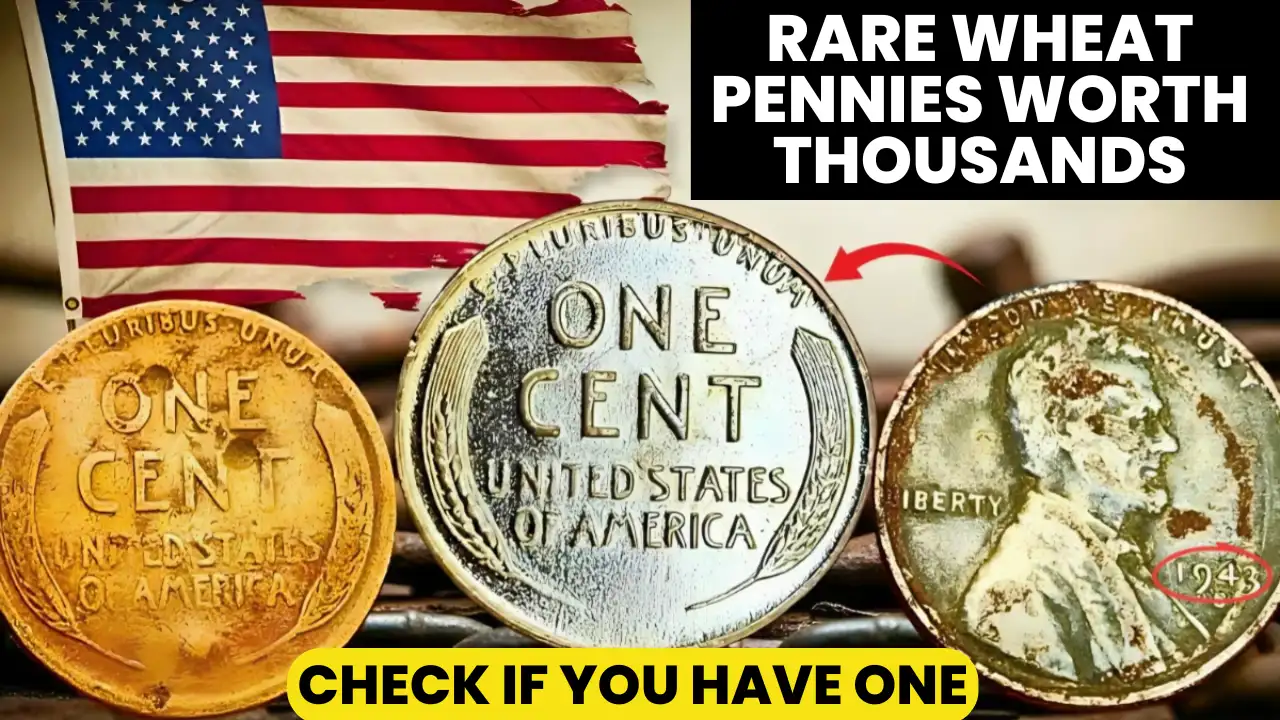
For decades, wheat pennies were the kind of loose change people tossed into jars, glove boxes, and kitchen drawers without a second thought. Now, those same one-cent coins minted between 1909 and 1958 are unexpectedly back in the spotlight — and in some cases, they’re worth far more than a quick trip to the vending machine.
As collectors revisit old boxes and inherited coin jars, they’re finding that a humble penny from a century ago can sometimes rival the cost of a new smartphone or even a used car. The catch: value has less to do with age alone and everything to do with rarity, minting quirks, and the coin’s condition.
Why Some Wheat Pennies Turn Into High-Dollar Finds
Wheat pennies were produced by the billions, but only a small portion survived in the kind of shape serious collectors want. That scarcity, combined with rich historical backstories, is what pushes certain dates and varieties into the “most wanted” category.
The earliest issues, especially those tied to the debut of the Lincoln design in 1909, draw particular interest. The 1909-S VDB cent is one of the most famous examples. Struck for a short time and marked by the initials of designer Victor David Brenner, it went from a somewhat controversial coin to a symbol of early 20th-century U.S. coin design. The limited run and the debate around those initials turned it into a classic key date.
Stories like this matter. They transform what looks like “just an old penny” into a piece of cultural history. At the same time, social media and viral posts about “pennies worth thousands” have pushed more people to dig through old collections. As U.S. coin analyst Mark Halper notes, every big auction result tends to trigger a wave of people checking their change at home. Rarity, survival in top condition, and documented mint errors are the ingredients that make a handful of wheat pennies stand out from the rest.
Key Dates and Mint Marks That Command Big Money
Across nearly five decades of wheat cent production, a few dates have become celebrities in the numismatic world.
- The 1914-D cent from the Denver Mint is one of the most coveted. It had low distribution, and finding an original coin that hasn’t been damaged or heavily worn is tough. When high-grade examples do appear, they draw intense bidding.
- The 1922 “No D” cent is another standout. This coin owes its fame to a minting anomaly: some dies lost the visible Denver mint mark, creating pennies that appear to lack the “D” altogether. That oddity turned them into a long-running curiosity and a favorite subject of authentication debates.
- The 1931-S cent also ranks high on collector wish lists. Fewer of these coins survived in nice condition than many other pre-war issues. Coins that still show their original luster can sell for thousands of dollars at auction.
What makes this tricky for casual holders is that these rare dates often look like everyday coins at first glance. The differences may be as small as a tiny letter below the date or a subtle detail only visible under magnification. That’s why experts stress careful identification: the penny you assume is ordinary might actually be the standout of your collection.
How Condition Can Multiply a Wheat Penny’s Value
While rare dates grab headlines, condition can be just as important in determining what a wheat penny is actually worth.
Most pennies that spent years in circulation show obvious wear — flattened details, dull color, and surface marks. By contrast, a Mint State example, meaning a coin with no visible wear even under magnification, can sell for hundreds or thousands of times its face value. Two pennies from the same year and mint can have wildly different price tags purely because one is crisp and the other is worn down.
Professional grading services like PCGS and NGC have brought more structure to this process. Their standardized grading and authentication systems help buyers and sellers agree on quality and reduce the risk of forgeries or misrepresented pieces.
One warning from veteran collectors: never clean or polish old coins. Trying to “shine up” a penny can strip away the original surface and slash its value. Florida-based numismatist Angela Roane notes that people often think they’re improving a coin before bringing it in, when in reality they’re destroying its most important asset. A natural patina is usually a sign of authenticity and stable storage, and long-time hobbyists actually prefer that over a forced shine.
For anyone who inherited a box of coins from a parent or grandparent, resisting the urge to scrub them can be the difference between preserving a treasure and accidentally reducing it to common pocket change.
The Thrill of Mint Errors: When Mistakes Make Money
Beyond key dates and mint marks, mint errors add another exciting twist to wheat penny value. These errors occur when something goes wrong in the production process — dies misalign, impressions overlap, or coins are struck off-center.
One of the most famous is the 1955 doubled-die obverse cent. Its dramatic doubling on the lettering gives it a striking, almost shadowed appearance that even non-collectors can spot. This coin regularly shows up on lists of the most valuable pennies and remains a staple of numismatic lore.
Not every error is so dramatic. Minor anomalies, like repunched mint marks or fine die cracks, can also boost a coin’s desirability, especially if the underlying penny is already a better date in high grade. Error specialists often sift through bulk lots and mixed rolls looking for these subtle missteps that others missed. That “treasure hunt” aspect is one reason wheat cents still attract both serious investors and newcomers curious to see what they might discover.
A Growing Market — And Why It Matters Now
Interest in old U.S. cents has exploded beyond traditional coin shops. Online auctions, app-based marketplaces, and collector forums have created a robust secondary market where wheat pennies change hands daily.
Viral stories about rare pennies selling for eye-popping amounts are real, but they can also mislead. Most wheat cents still trade at modest prices. The key is learning to separate the truly scarce, well-preserved pieces from the vast majority of common, worn coins. That skill comes with research and a basic understanding of U.S. coinage history.
Broader economic moods also influence the market. In periods of uncertainty, some people look to collectibles as an alternative way to store value or diversify their interests. Dealers report that interest is no longer limited to U.S. collectors either. Buyers in places like India have started seeking out high-grade wheat cents, and cross-border trading has become a normal part of the hobby.
Even as the market globalizes, the fundamentals stay the same: the most valuable wheat pennies are those that combine rarity, superior condition, and distinctive minting characteristics, whether that’s a key date, a low mintage, or a dramatic error.
Think You Found a Valuable Wheat Penny? Here’s What To Do
If you pull an old wheat cent out of a family jar or discover one tucked into an envelope of inherited coins, the first rule is simple: don’t clean it.
Start by checking the date, the mint mark (the small letter below the date, if present), and the overall appearance. A magnifying glass can help you spot signs of doubling, missing letters, or odd shapes that might indicate an error variety. Comparing your coin to high-quality reference photos online can give you an early sense of whether something about it stands out.
If the piece looks promising — maybe it’s a key date, has an unusual mint mark, or appears especially sharp and lustrous — consider a professional opinion. Certification by a major grading service adds credibility and often makes it easier to sell, since buyers have more confidence in both authenticity and condition.
From there, you have options. Some owners choose to list coins in auctions or sell through coin shows and dealers, taking advantage of current demand. Others prefer to hold onto rare pieces as long-term collectibles, betting that both historical appeal and limited supply will keep values strong over time.
Whatever path you choose, knowing the story behind your coin is part of the appeal. A wheat penny is more than a small copper disc — it’s a piece of American history that survived wars, economic swings, and decades of circulation before landing in your hand.
A Quick Word of Caution
This information is meant to help you understand the hobby, not to serve as financial advice. Coin prices change with the market, grading can be subjective, and buyer demand can rise or fall over time. Anyone thinking about buying or selling collectible coins should speak with a certified numismatist or professional dealer before making big decisions.