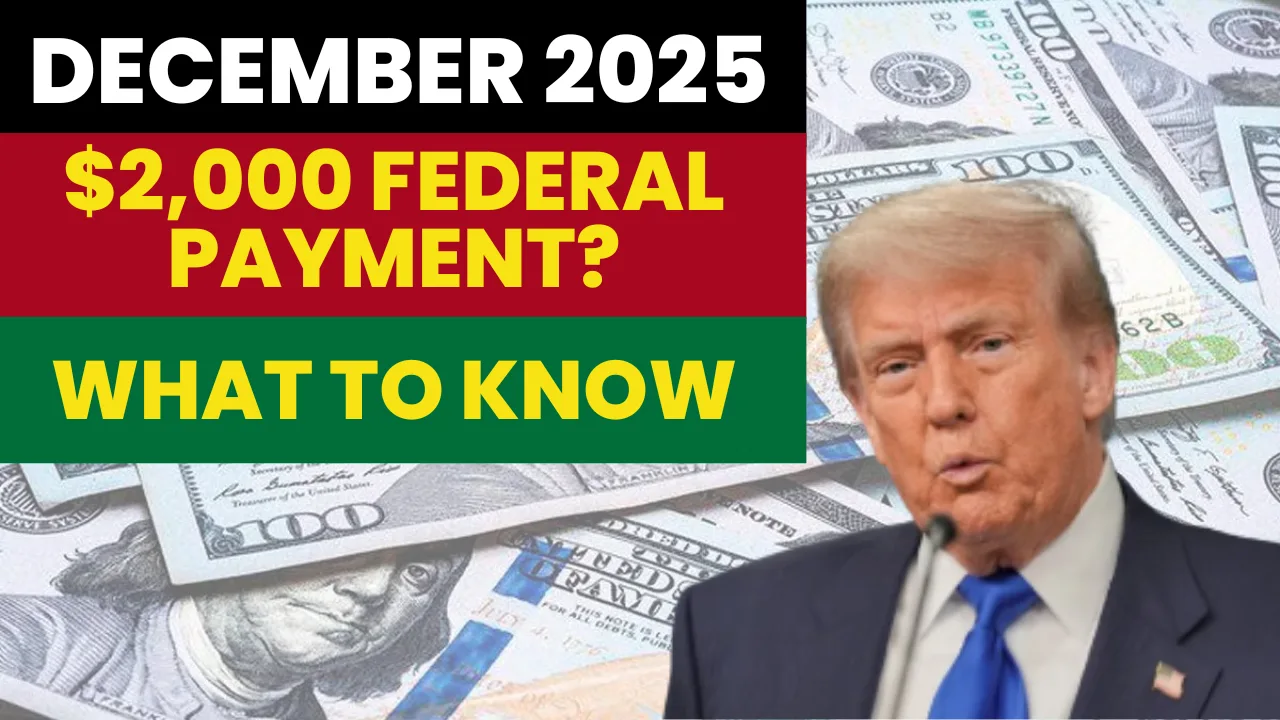
What This Proposed $2,000 Deposit Is About
A potential federal one-time $2,000 payment for December 2025 has become a major talking point as Americans struggle with higher costs for food, housing, fuel, and healthcare. The idea is still a proposal, not an approved law, but it is attracting attention because it aims to give short-term financial relief at the end of the year, when holiday and month-end expenses often peak.
Policymakers and economists point to earlier federal relief programs as proof that direct deposits can quickly stabilize household finances during periods of high inflation. At the same time, citizens are being urged to watch only official updates, since no final decision has been made by Congress or the IRS.
Who Could Qualify If It Passes
If the proposal moves ahead, eligibility is expected to follow income-based rules that look very similar to previous federal assistance programs. Key thresholds being discussed include:
- Individuals with annual income up to 75,000 dollars may qualify for the full 2,000 dollar payment.
- Heads of household earning up to 112,500 dollars could also be eligible for the full amount.
- Married couples filing jointly with income up to 150,000 dollars are likely to qualify for the full benefit.
These limits are designed to focus support on low- and middle-income households most affected by rising prices, while people above those levels may receive a reduced amount under a phase‑out formula. Beneficiaries who already receive Social Security, SSI, SSDI, or Veterans Affairs payments are expected to get funds automatically because their personal and banking details are already on file with federal agencies.
How Payments Would Likely Be Sent
Direct deposit is expected to be the primary payment method, as it was in earlier federal relief rounds. In past programs, millions of Americans saw funds show up in their bank accounts within days once payments were released, thanks to existing links between IRS systems, tax filings, and federal benefit databases.
For people who do not have direct deposit information on file, the IRS may rely on paper checks or prepaid debit cards, but those options typically take longer because of printing, mailing, and extra verification steps. If bank accounts are closed or mailing addresses are outdated, payments can be returned and then reissued, which could push delivery into late December or even early January 2026.
Timeline, IRS Role, and What Happens Next
The entire payment schedule depends on if and when Congress actually approves the proposal. If lawmakers give the green light by mid‑2025, IRS and other federal agencies could begin technical prep in late summer, including system testing, data checks, and coordination with Social Security and Veterans Affairs records.
Based on earlier federal payment cycles, analysts suggest that the first wave of direct deposits could land in bank accounts in the first or second week of December, with paper checks and prepaid cards potentially going out from mid‑December through the end of the month. Reissued payments caused by incorrect or outdated information might spill into late December or early January 2026, but all of these dates remain projections, not confirmed schedules.
Tax Filers, Non‑Filers, and How to Prepare
People who filed federal tax returns for 2023 or 2024 are likely to be processed first, since the IRS can use those filings to verify identity, income, and bank details. Individuals who did not file may need to submit updated information through a dedicated IRS portal if the program is approved and official instructions are published.
Past relief efforts showed that outdated addresses, wrong bank account numbers, or mismatched personal details often led to delayed or returned payments. For that reason, citizens are encouraged to keep their tax records, mailing addresses, and banking information current so they are ready if Congress moves the proposal forward.
Rising Scams and How to Stay Safe
Growing interest in a possible December 2025 deposit has already attracted scammers who send fake emails, texts, and social media messages claiming to “confirm eligibility” for the 2,000 dollar payment. These fraud attempts often ask for bank details, Social Security numbers, or other sensitive data and sometimes include suspicious links or look‑alike websites.
The IRS has made clear in earlier relief rounds that it does not contact people by phone, text, email, or social media to ask for personal or banking information for payments. Americans are advised to rely only on official portals such as IRS.gov and SSA.gov, avoid clicking unknown links, and report any unsolicited request for confidential information as a red flag.
Why This Proposal Matters
For many families, seniors, low‑wage workers, and veterans, an extra 2,000 dollars at year‑end could help cover rent, utilities, groceries, medical bills, or holiday expenses during a period of elevated living costs. The proposal has therefore become part of a broader debate in Washington over how best to support households facing inflation without putting too much pressure on the federal budget.
Still, it remains only a proposal: Congress has not passed any law guaranteeing a December 2025 payment, and no official payment dates or final rules have been announced. Until that happens, citizens are urged to treat all specifics as tentative and verify every update directly through trusted government websites and official communications.